What Aerial Drone Photography Shows That Ground Photography Cannot
A single drone frame settles a question that no wide-angle lens on the ground can answer.
September 17, 2026 · 3 min read
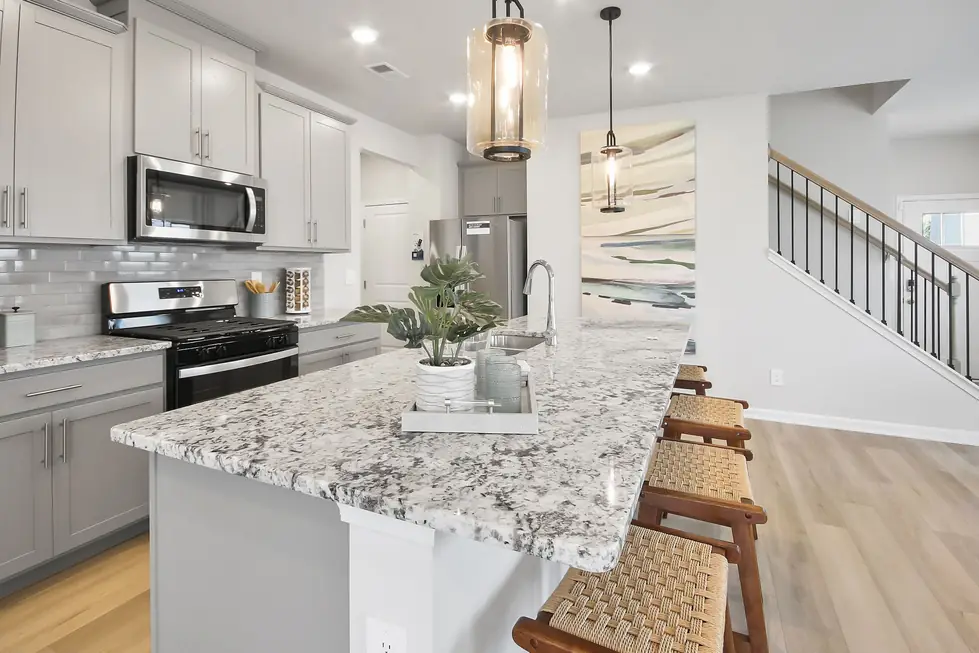
A ground level photo answers what a house looks like inside. It can't answer what sits behind it, how close the next roofline is, or whether the lot backs onto a busy road, a creek, or forty feet of nothing at all. That's the question a drone frame answers in one shot, and it's the same question most buyers ask right after they've finished looking at the kitchen.
The Question Every Buyer Asks Second
Buyers scroll through interior shots first: kitchen, primary bath, the living room with good light. Then they want context. How big is the yard, really. Is that a fence line or a property line. What's on the other side of the tree line at the back of the lot. None of that is visible from the ground, no matter how wide the lens. A drone pass from sixty to a hundred feet up settles the question in a single frame, before a buyer has to guess or drive by to check for themselves.
What a Drone Frame Actually Shows
- The true shape and size of the lot, including corners a ground shot cuts off entirely.
- What backs onto the property: another house, a road, woods, water, or open field.
- The condition of the roof, gutters, and chimney, none of which a buyer can see from the street.
- How close the nearest neighbor actually is, which matters more to buyers than most listings admit.
- The full footprint of a larger property, including outbuildings, a pool, or acreage a ground lens can't fit into one frame.
When Ground Photography Alone Does the Job
Not every listing needs air. A condo, a townhome on a tight lot, or an in-town property where the interior is the whole pitch usually doesn't gain much from a drone pass; there isn't enough land or context to show. It also isn't worth booking on a listing where the neighboring lot lines are already well known to local buyers, since the value of a drone pass is showing something a buyer can't already picture for themselves. Air work earns its place on listings with acreage, a distinctive lot, a water or wooded view, or any property where what's around it is part of the sale. Knowing which listings need it and which don't is part of building a media package that fits the property instead of upselling every listing the same way.
Why It Matters Who's Flying
Flying a drone over private property for commercial purposes in the United States requires an FAA Part 107 remote pilot certificate. That isn't a formality. It covers airspace rules near airports, altitude limits, and liability if something goes wrong over a house that isn't the pilot's. It also affects insurance: a listing photographed by an uncertified operator flying without the required registration puts the liability for any incident squarely on the agent who hired them, not on some anonymous drone operator with a camera. An agent handing a listing to a photographer who is personally Part 107 certified, rather than one who subcontracts the aerial work to whoever is available that week, knows exactly who is legally responsible for that flight before the drone ever leaves the ground.
Where Aerial Stills Earn Their Keep on Social Media
A drone still stands out in a normal scroll of listing photos precisely because most agents in a market aren't using one. It reads as more ambitious marketing than another kitchen photo, which is exactly the kind of image that gets shared, saved, or forwarded by a buyer who's still on the fence. Pairing one aerial frame with the interior gallery on a social post, rather than saving it for the MLS alone, gets more mileage out of the same flight.
Putting Air and Ground Together
The strongest listing packages don't treat drone photography as an add-on tacked onto a set of interior shots. Aerial stills open a cinematic walkthrough, establish the property before the camera moves inside, and give a floor plan something real to sit next to. Used together, ground and air answer both questions a buyer actually has: what does the house look like, and what does it sit on. Answering only the first one leaves the second for a buyer to guess, and a guess is exactly what an agent doesn't want a serious buyer making about a listing they haven't seen in person yet.
Wilson & Smith Real Estate Media, (770) 282-9094
Call (770) 282-9094More articles
A Listing Prep Checklist Worth Forwarding to Every Seller
Ten minutes of prep from the seller turns into a faster shoot and a stronger set, and almost none of it costs money.
Why Next-Day Media Changes How You Schedule a Launch
When the media stops being the unpredictable part of a launch, everything downstream of it gets easier to schedule.